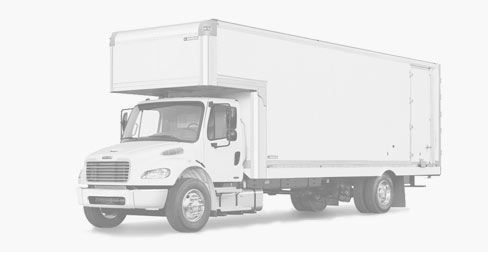
panel truck rental near me: a cautious, real-world guideI look for clear specs, honest pricing, and a straightforward return. Nothing fancy - just a truck that does the job safely, and ideally without surprises. What a panel truck really isMost searches surface two styles: a full-size cargo van and a small box-style panel truck with an enclosed body. Either can work. Choose by interior length, door height, tie-down points, and whether you need a ramp or liftgate. Payload matters more than it first appears; a few heavy items can hit limits faster than a stack of light boxes. You generally won't need a special license for typical rentals under common weight thresholds, but I still confirm local rules and the truck's GVWR before booking - belt and suspenders. Quick decision flow- Measure the largest item, including diagonal, and compare to door opening and interior height/width.
- Check access: loading dock, curb, tight alley, low trees, or a garage with posted clearance.
- Decide on ramp vs. liftgate; a dolly helps, but a lift assist can prevent that one bad lift.
- Verify payload against your estimated weight (furniture, tools, boxes - rough totals are fine, just be conservative).
- Confirm hours, after-hours return rules, and the fuel/mileage policy before you lock in.
Costs and fine print to check- Base rate + mileage: per-mile charge or a small allowance with overage. Clarify both.
- Fuel: return full, or pay a premium. Keep the receipt; I snap a photo.
- Deposit/hold: credit card authorization can be larger than expected.
- Protection: liability and a collision damage waiver - read exclusions (roofs, cargo, undercarriage are often not covered).
- Young/additional driver: fees can apply; add drivers only if they will actually drive.
- Tolls: plate-pass programs add service fees; using your own transponder is usually cheaper.
- After-hours return: allowed sometimes, but responsibility for damage timing is murkier - photos help.
Booking tips without stress- Call the branch to confirm the exact model, ramp or liftgate, tie-down rails, and whether blankets and dollies are available.
- Ask for interior dimensions and door opening size; wheel-well width can be the gotcha.
- Bring two IDs and a credit card with room for the hold.
- Walk-around: roof, corners, tires, floor, lights, backup camera, and liftgate/ramp latches. Photograph dings - quietly thorough beats awkward later.
- Check that the fuel gauge and odometer match the contract before leaving the lot.
A quiet real-world momentI reserved a panel truck for a rainy Saturday pickup of used shelving. The alley was tighter than it looked on the map; I inched in with a spotter, set the hand truck brakes, and used the liftgate - slowly. We finished with dry cargo and no strained backs. The extra five minutes to confirm liftgate availability on the phone probably saved an hour of wrestling. Driving and loading safely- Heaviest items low and against the bulkhead; strap high and low to prevent tipping.
- Use more straps than you think - one per corner is a decent baseline.
- Set mirrors wide, avoid garages and drive-thrus, and watch tree limbs and signage.
- Longer stopping distances: leave space, brake early, and avoid abrupt lane changes.
- Mind ramp angles; wet metal gets slick. Gloves help. Nobody rides the liftgate - ever.
- Plan a route that avoids low bridges or roads marked "No Commercial Vehicles."
Choosing among local optionsI compare at least three nearby branches. A smaller neighborhood location can be easier to work with, though a larger depot may have more trucks on hand. Weekend mornings book fast. If a truck smells strongly of solvents or looks beat up, I'll politely pass - it's probably fine, but I prefer not to test that "probably." - Clean fleet and a clear inspection sheet.
- Staff that explains damage and fuel policies without hedging.
- Consistent stories about mileage, tolls, and after-hours returns.
- Reasonable line lengths at pick-up and drop-off.
What to bring day-of- Tape measure, work gloves, and closed-toe shoes.
- Moving blankets, straps or e-track fittings, and corner protectors.
- A small flashlight or headlamp for dim cargo bays.
- Phone mount and charger; a paper map as quiet backup.
- Water and a snack - fatigue invites mistakes.
Return without surprises- Refuel to the original level just before returning; keep the receipt.
- Sweep out the cargo area; shake blankets outside the truck.
- Take clear photos (all sides, roof if possible, odometer, fuel gauge).
- Confirm mileage and time on the contract and ask for an emailed receipt before leaving.
Final thoughtA careful plan, a few photos, and honest sizing questions make "panel truck rental near me" fairly uneventful - in a good way. I might be a bit cautious, but that's how gear and backs come home intact. 
|
|